Written By Cristina Cercone, HUD Certified Housing Counselor at The Waterfront Project
Housing instability is often described as a modern crisis. Rising rents, eviction filings, and affordability gaps dominate today’s headlines. But nearly a century ago, communities across the country faced a housing emergency that reshaped how America understands the right to shelter. The eviction resistance movements of the Great Depression offer important lessons for today’s housing landscape – and for the work we do every day at The Waterfront Project.
Eviction Resistance During the Great Depression
By 1933, unemployment rates in the United States had climbed to nearly 25%. Families who had never missed a rent or mortgage payment suddenly found themselves without income. Landlords and banks continued to enforce payment obligations, and eviction was swift and unforgiving.
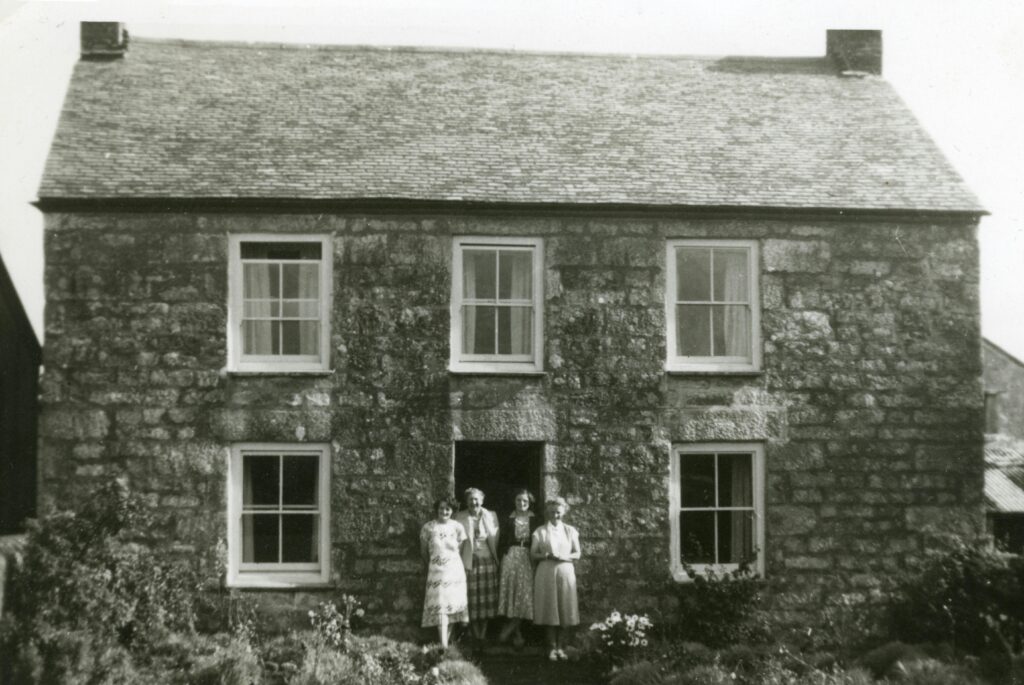
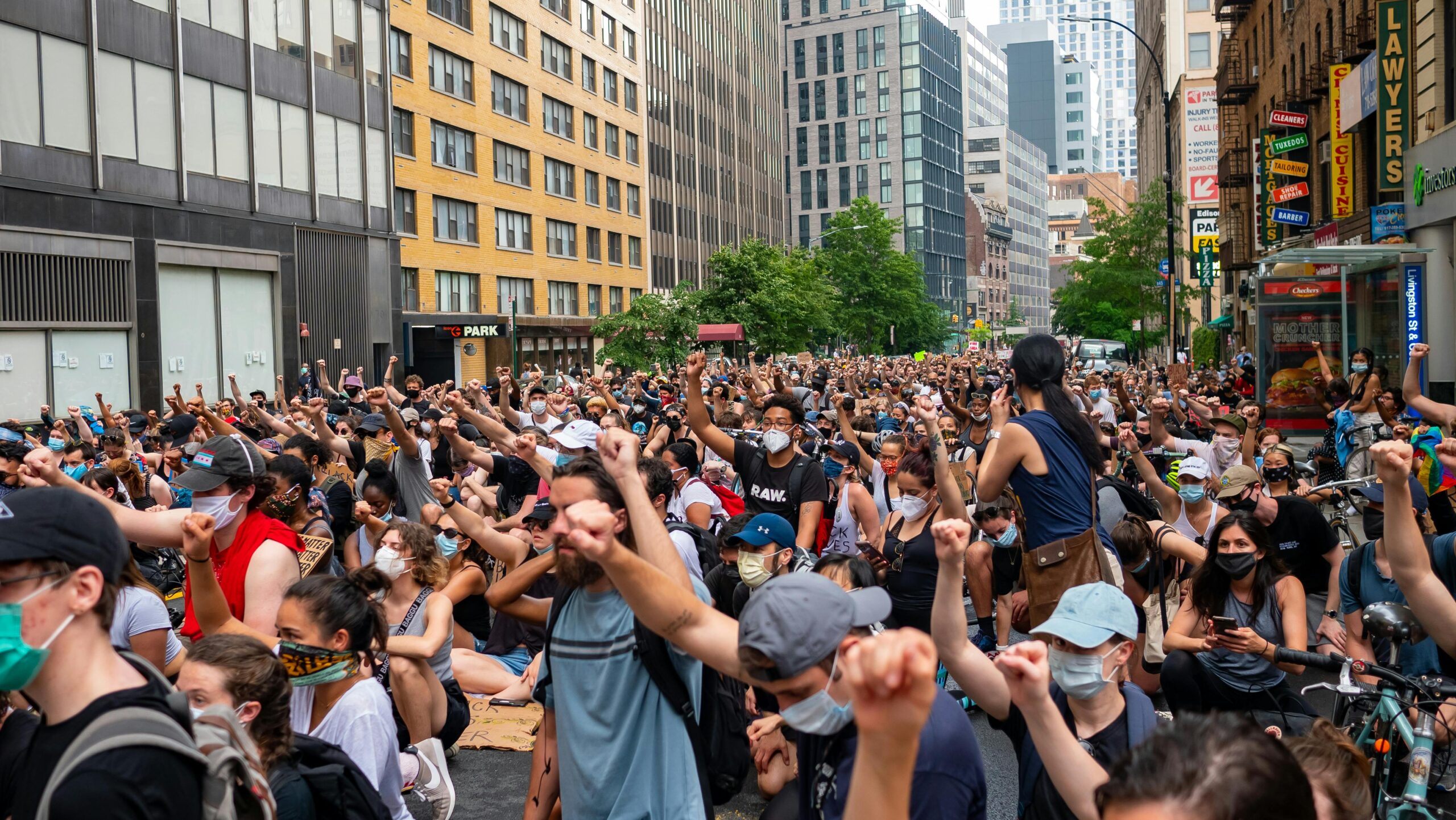
In cities like Newark, tenants organized what became known as “eviction blockades.” When Marshalls arrived to remove families from their homes, neighbors gathered in large numbers to stop the process – sometimes physically returning removed items to apartments after officials left. These efforts were often coordinated by unemployment councils and grassroots organizations, but participation well extended beyond political affiliation. For many, this movement was simply about survival.
In New Jersey’s industrial cities – such as Jersey City, Newark, Paterson, and Camden – housing distress was widespread. Factory closures and job losses left working-class families unable to meet basic expenses. Eviction resistance became one system communities responded to when structured support systems did not yet exist. The scale of this crisis ultimately prompted federal action, resulting in the creation of programs such as the Homeowners’ Loan Corporation and the Federal Housing Administration. This marked the beginning of sustained federal involvement in housing stability. Public housing initiatives followed. In many ways, modern housing policy was born from this period of crisis and resistance.
New Jersey’s Housing Landscape Today
While today’s economy differs from the 1930s, housing instability remains a pressing concern – particularly in New Jersey. New Jersey consistently ranks among the most expensive states for renters. According to housing data from recent years:
- A significant percentage of renters in Hudson County are considered “cost burdened,” spending more than 30% of their income on housing.
- Jersey City, in itself, has experienced substantial rent increases over the past decade, particularly as development and demand have accelerated.
- Even moderate-income disruptions – such as job loss, medical emergencies, or unexpected expenses – can quickly place families at risk of eviction.
Tenants are provided temporary relief through eviction moratoriums and emergency rental assistance. When these protections either run their course or run out of funding, eviction filings resume. Unlike the 1930s, however, today there are government-backed systems designed to prevent displacement before it occurs. At The Waterfront Project, we have fully integrated these systems – including legal services, housing counseling, court diversion programs, and rental assistance – all in hopes to assist keeping families housed.
Resistance Then, Prevention Now
The eviction blockades of the Great Depression were reactive. Neighbors intervened at the moment of removal because no formal safety net was available. Today, the approach is different and more proactive. New Jersey has some of the strongest tenant protections in place, including:
- The Anti-Eviction Act, which limits the grounds for eviction in many cases
- Court-based mediation and diversion efforts
- State and local rental assistance programs
- A network of nonprofit housing and legal service providers
Yet legal protections alone are not enough. Many tenants are unaware of their rights. Others face language barriers, financial constraints, or fear of navigating the court systems. This is where The Waterfront Project steps in to help.
The Waterfront Project’s Role in Today’s Housing Stability Efforts
At The Waterfront Project, our mission centers on ensuring equal access to housing stability for the communities we serve. While the eviction resistance of the 1930s was a spontaneous effort to preserve families’ right to housing, our work focuses on prevention, education, and advocacy within the legal system. Instead of forming physical blockades, we fight for housing stability through legal advocacy, counseling, and mediation. Our strategies are different, but the commitment is the same – ensuring families are not displaced without support, representation, and a fair opportunity to remain housed. Our goal is not confrontation, but rather stabilization. The underlying principle echoes the past: housing stability is foundational. Housing continues to be a public focal point, just as it was during the Great Depression. Today, debates center around rent control and affordable housing. The shared concern is clear: access to stable, affordable housing is essential to economic security. When families are able to remain housed, children stay in school, employment is maintained, and communities remain intact.
Housing is a human right.

Article Sources:
Recalling the Great Depression’s anti-eviction struggles
The Evolution of Eviction Law: A Journey Through Time