
Written By WFP Intern, River Pilar
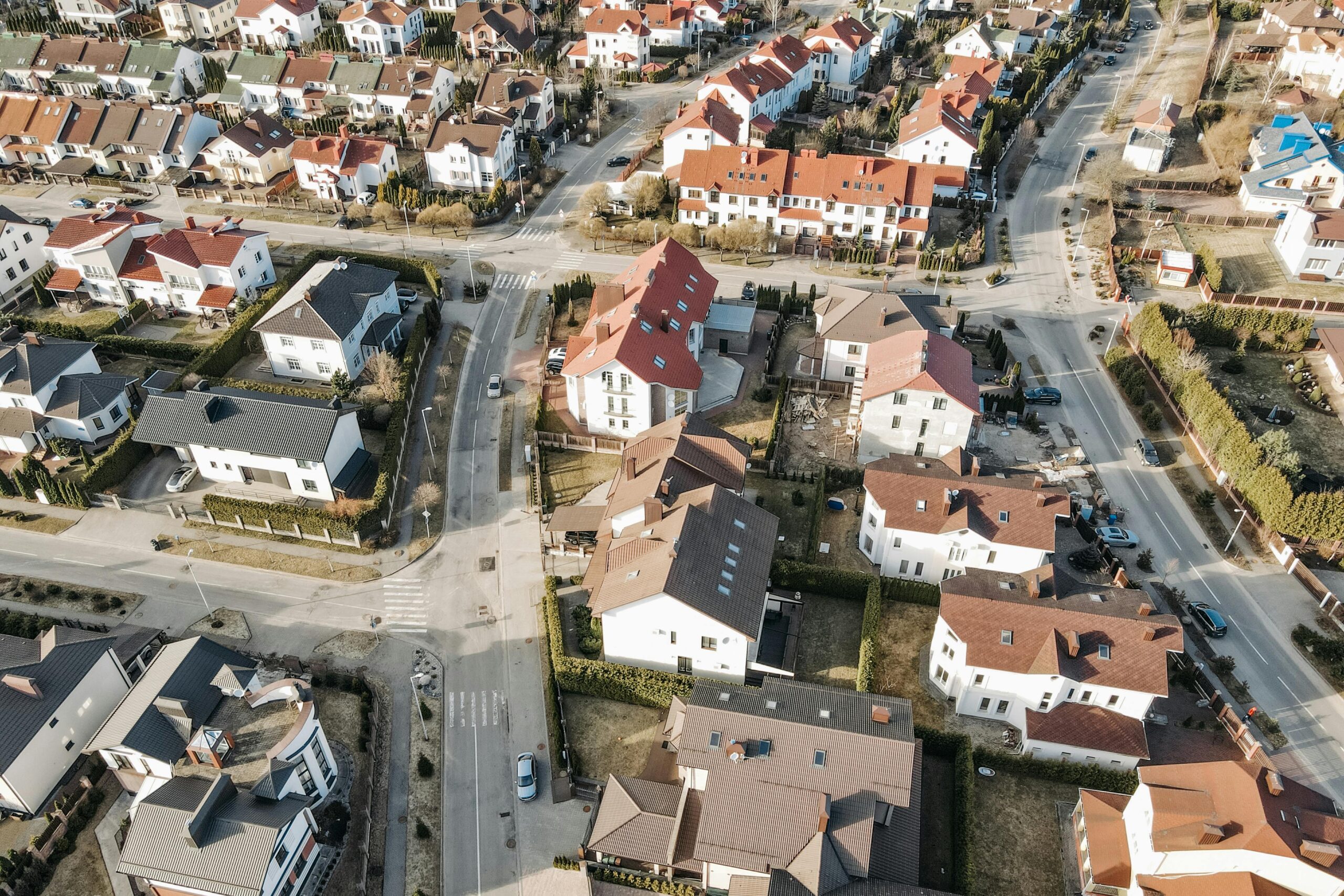
The homelessness crisis in New Jersey has festered in the background for years. With the rise in housing prices and a lack of wage raises, more people are being forced out of their homes and onto the cold streets of New Jersey with very few options to rejoin society and get rehoused. Recent legislation has made it even more difficult for the homeless of New Jersey to even begin rebuilding a life for themselves, let alone reintegrating back into society after being chronically homeless. The current economic climate of New Jersey does not allow the average low-income or homeless person to swim out of the torrent that is poverty and sends them even further into struggle.
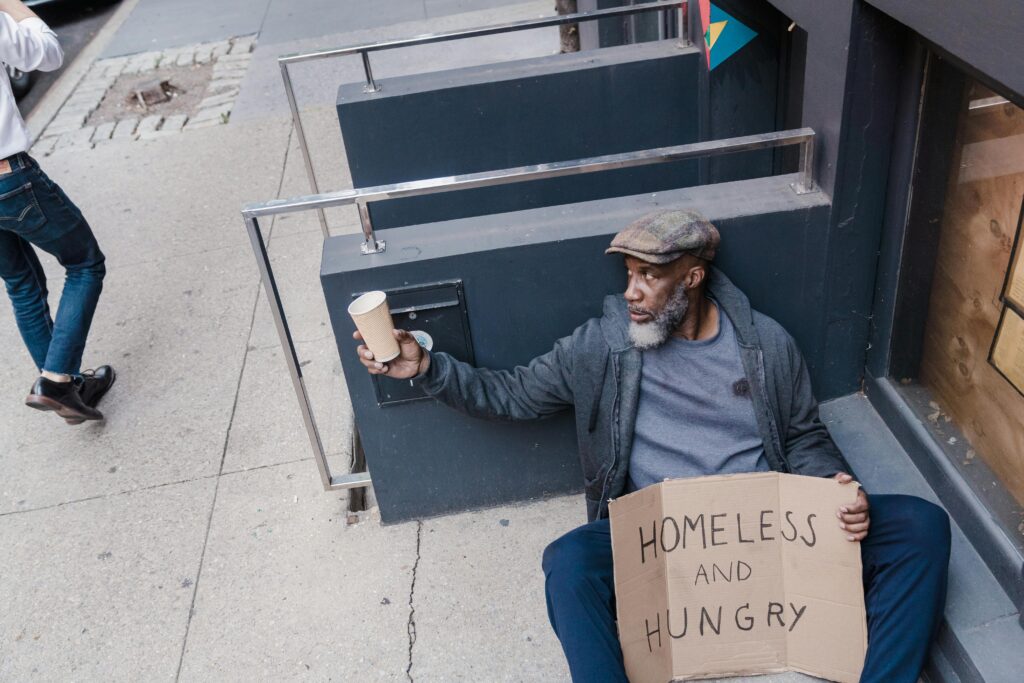
The housing crisis, despite attempts to mitigate it by the government, has only been worsening with time. As a byproduct of increasing costs and stagnant wages, the housing situation for many in the state is unstable and unaffordable. A number of people with stable employment are still facing homelessness or other struggles that come with poverty. Victims of homelessness state that eviction and the threat of it, removal from shared premises, or lowering of income are some of the many reasons contributing to their homelessness. The homeless population in New Jersey was the highest in a decade in 2025 — which is anticipated to get worse with current legislation that orders a decrease of $3.6 billion in the budget for crucial programs like Medicaid and SNAP. Without these systems in place, and others on the chopping block, more vulnerable people are going to fall further into poverty.
According to NJ Counts of 2025, 13,900 people were homeless in the state of New Jersey, 11,753 of those people being sheltered while the rest are unsheltered, an increase from 2024. To be clear, these are the homeless people who could take the survey and are not indicative of the entire population. There is a plethora of reasons as to why the homelessness crisis is only getting worse as the years go by, despite the state government’s attempts to mitigate it. Many of the low-income people in the state are one major crisis away from homelessness, which creates a spiral that a lot of people are unable to break free from. Many of the low-income people in New Jersey are closer to being homeless than they realize, and with price increases in housing and hiring requirements becoming stricter for jobs, a number of people cannot rely on the teetering stability of an unlivable minimum wage without jeopardizing their living situation with more bills to pay.
A leading issue in the state is the rising cost of living. Compared to most states, New Jersey is one of the most expensive in the country. In 2025, the average price of a home was $500,000 or more, while the average income was around $80,000. While the minimum wage has increased to $15 in recent years, the livable wage for people in the state starts at $20. Families cannot afford to live off the current minimum wage. According to NJ Counts, 4,553 of the homeless population were families, which consisted of at least one child under the age of 18. This shows that because of a lack of affordable housing and systems to gain a livable income; families are being forced onto the street.
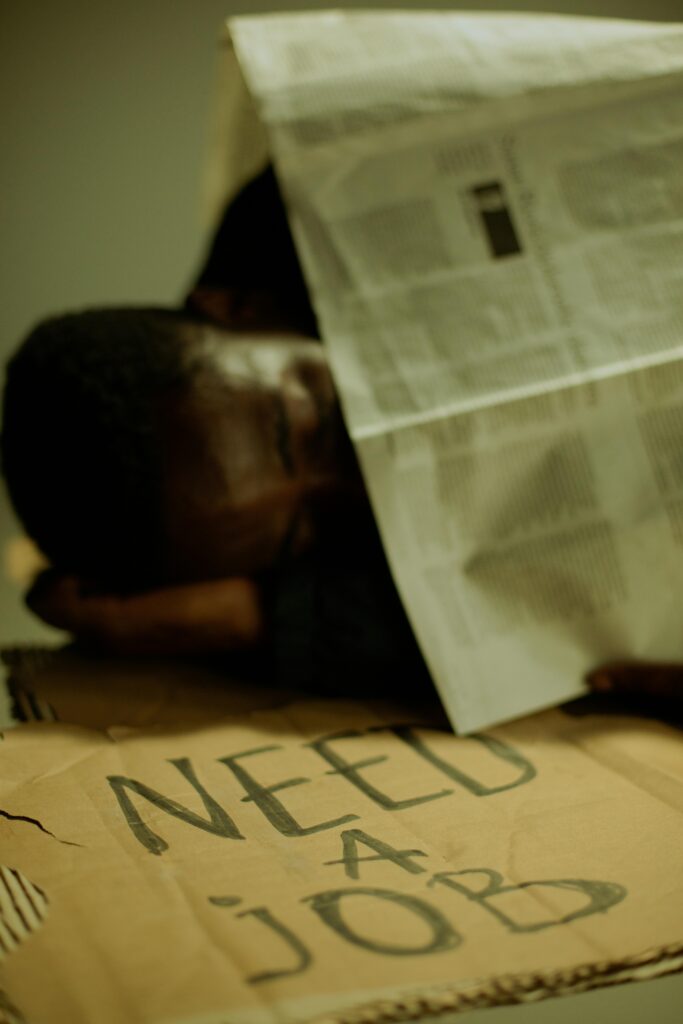
Medicaid is a vital program that benefits many people. The minimum wage in New Jersey allows for someone to make $3,750 a month which is well over the monthly income cutoff point for Medicaid, which is $1,800 for a single person in the state. This results in people having to compromise on their housing, income, and insurance. If they make too much money, they are kicked off Medicaid entirely, even if they are still technically low-income by state standards, which results in many having to live without health insurance. The systems are in place to help the impoverished who are also struggling. This causes a greater rift in the assistance that low-income people need.
New Jersey’s public workforce is also struggling as we are seeing a decline compared to the country’s recovery trends from the recession. Public employment is down 15%, including schoolteachers, municipal workers, and many more. This is the lowest it has been in history, directly resulting in people who need help being unable to get it and hardworking people losing their jobs. Additionally, costs are higher and service is worse due to a higher workload as a result of less employees in the workforce. This causes unmet needs, leading to people spiraling more into poverty as wages stagnate and prices get higher. While the systems in place are great in theory, it does not matter how much help they can give out if all of it is piecemeal due to inadequate staff. If there is no stability in the public sector, how can citizens begin to climb out of poverty? How can people trust the systems that are already starting to fail?
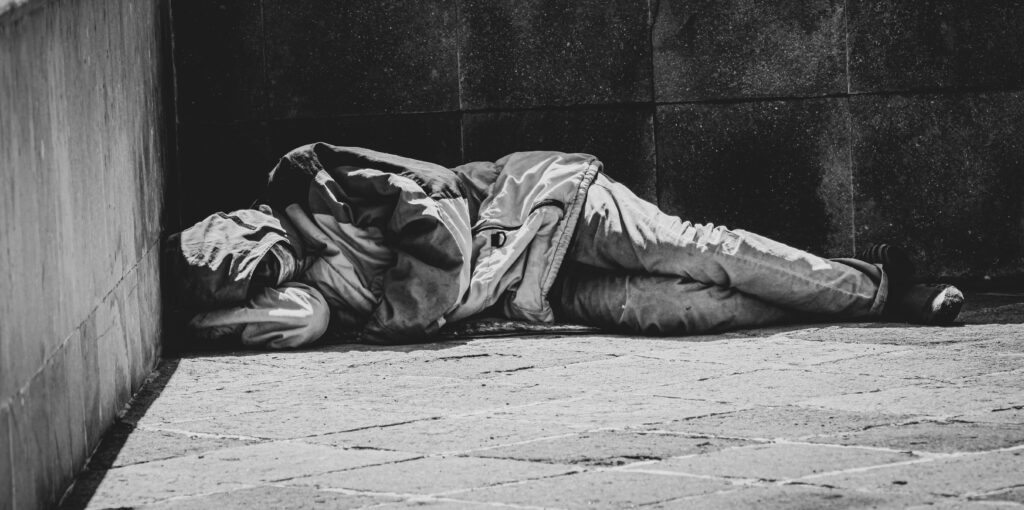
While the homelessness issue in New Jersey is far from seeing an end, it is currently something that can be slowed down before entangling more Jerseyans into an issue that is plaguing the entire country. With a higher minimum wage, higher cutoff points for systems like Medicaid, lower housing prices, and a stabler job market for those in the workforce, the state could begin to recover. However, if the state continues down this road, thousands of impoverished people will be living on the cold, unforgiving streets of New Jersey, forced into a cycle of poverty that they might never be able to break out of.
Works Cited:
https://monarchhousing.org/wp-content/uploads/2025/07/PIT-Report-2025-New-Jersey.pdf
https://www.njpp.org/publications/report/gutted-new-jerseys-shrinking-public-workforce/https://njfamilycare.dhs.state.nj.us/who_eligbl.aspx