Written By William Paige, Foreclosure Specialist at The Waterfront Project
Have you ever looked at your mortgage statement and wondered, “Why did my monthly payment increase?” First let’s break down what a mortgage is made of.

Your total monthly mortgage payment is commonly referred to as PITI:
Principal: Pays down your loan balance.
Interest: The cost of borrowing the money.
Taxes: Property taxes, collected and held in escrow by your lender.
Insurance: Homeowners insurance, also escrowed.
Depending on your loan type, you may also pay:
PMI (Private Mortgage Insurance): Required on conventional loans when your down payment is less than 20%.
MIP (Mortgage Insurance Premium): Required on FHA loans, regardless of down payment size.
Not sure which loan type you have? Check your original loan documents or call your loan servicer — they are required to provide this information.
Why Would Your Mortgage Increase?
Even if you have a fixed rate mortgage, there are a few reasons why your monthly payment would increase.
Property Taxes: Local governments periodically reassess property values. If your home’s assessed value rises, your property taxes rise with it — and so does your monthly payment.
Homeowners Insurance: Insurance premiums can increase due to aging property, rising rebuilding costs, or your claims history. When your premium goes up, so does your escrow payment.
Escrow Adjustments: Your lender reviews your escrow account annually. If the account falls short of what’s needed to cover taxes and insurance, your lender will increase your monthly payment to make up the difference. This is one of the most common — and most surprising — reasons payments change.
As HUD-Certified Housing Counselors specialized in foreclosure, we work with homeowners daily, and often we find some who are confused about changes in their mortgage, especially when they’ve been making consistent payments and still find themselves falling behind.
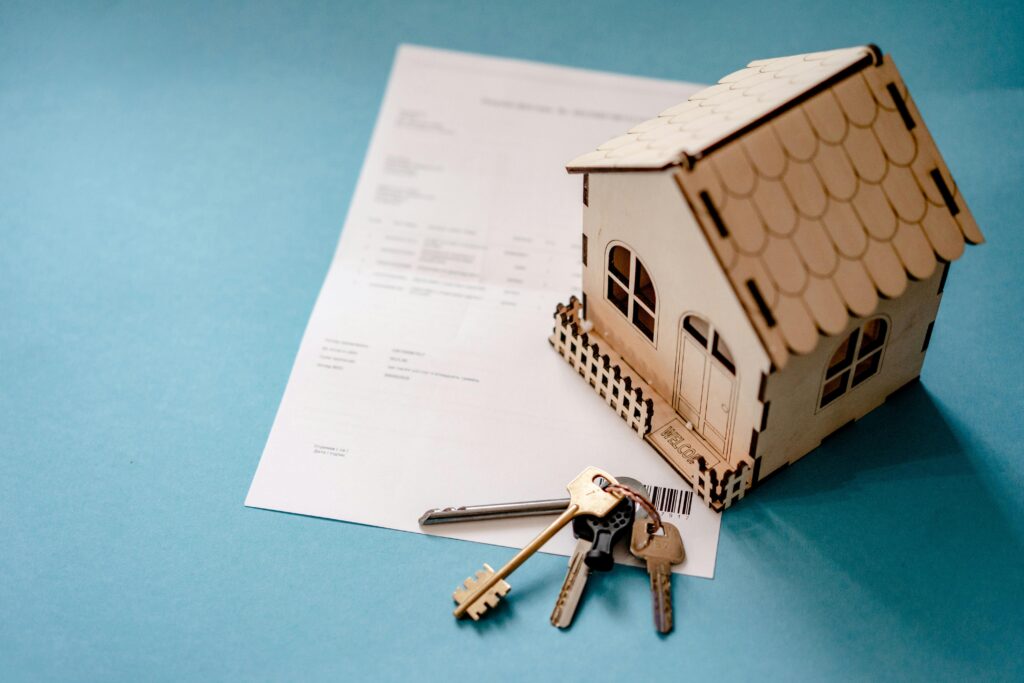
Consider one homeowner we worked with recently. She has a fixed income on a schedule that made it difficult to submit her mortgage payments before the 16th of each month. What she didn’t realize was that each payment made after the grace period triggered a late fee, and over time, a rise in her property taxes caused her monthly payment to increase as well. Eventually, she received a notice of intent to foreclose, a formal warning from her lender announcing legal action to reclaim the property if the delinquent amount is not resolved. Fortunately, while not entirely easy, but thanks to our guidance and intervention, this homeowner was able to resolve this issue, and her situation didn’t become a bigger problem.
The Truth About Lender Payments
Mortgage payments are typically due on the 1st of each month, with a grace period that usually extends to the 15th or 16th. Here’s what many homeowners don’t realize:
- Late fees of 4%–5% are applied to any payment received after the grace period
- Repeated late payments — even those made within the grace period — can trigger an escrow review, which may result in a higher monthly payment
- Payments 30 or more days late can be reported to credit bureaus, impacting your credit score
- Over time, accumulated fees and adjustments can make a once-manageable payment feel out of reach
Small delays, when repeated, can quietly create serious financial strain.
Action Steps for Homeowners
Don’t wait for a surprise — take these steps now:
– Review your escrow statement annually. Your lender is required to send one. Read it carefully and call if anything is unclear.
– Know your grace period. Mark your payment due date and grace period end date on your calendar every month.
– Contact your servicer immediately if your payment changes unexpectedly. Ask for a written explanation.
– Check your loan type. Knowing whether you have a conventional or FHA loan helps you understand your insurance obligations.
– Reach out early if you’re struggling. Options exist — but they are easier to access before a situation becomes a crisis.

We’re Here to Help!
The Waterfront Project offers specialized mortgage maintenance and foreclosure prevention assistance through our housing counseling services. We also offer free workshops throughout Hudson County and nearby areas designed to help homeowners like you understand mortgage payments and escrow, foreclosure prevention strategies, your rights as a homeowner, financial planning, and budgeting tools.
Space at our workshops is limited, so please make sure to visit our website or follow our social media accounts for all upcoming events and activities.